Review: Gnome with Christmas Tree Embroidery Design
As a designer who has spent years digitizing and testing machine embroidery designs, I have learned that not every festive graphic translates well to thread. Some look fantastic on a screen but turn into a tangled mess of bobbin thread on fabric. When I first loaded the Gnome with Christmas Tree design into my software, I was looking for specific indicators of quality: clean pathing, logical stitch direction, and a balance between detail and durability. This review breaks down how this design performs in real-world applications, from custom apparel to boutique holiday gifts.
First Impressions and Visual Personality
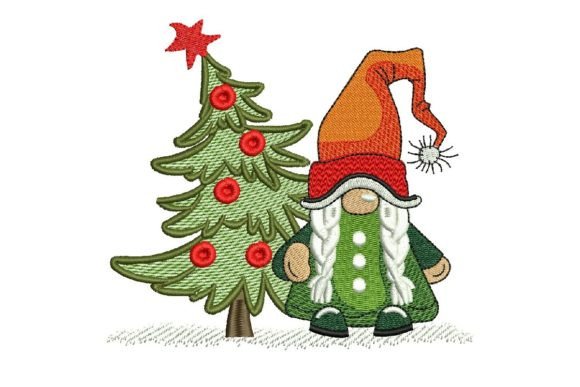
The immediate appeal of the Gnome with Christmas Tree lies in its whimsical yet structured composition. Gnomes have become a staple in modern holiday decor, but many designs suffer from overly complex facial features or messy beard textures. This design avoids those pitfalls by utilizing smart stitch placement. The visual personality is cozy and inviting, making it an ideal candidate for products meant to evoke warmth and nostalgia.
The layout typically features the gnome interacting with the tree, creating a unified shape rather than two disjointed elements. This is crucial for embroidery because it minimizes jumps and trims, resulting in a cleaner finished product. The mood is distinctly festive without being cluttered, which allows it to fit seamlessly into both traditional and modern aesthetic themes. For an Etsy seller or small shop owner, this versatility means the design can appeal to a broader customer base, from those seeking rustic cabin decor to parents looking for cute baby items.
Real-World Application: From Mockup to Stitch
To truly evaluate a digital embroidery file, you must imagine it on actual substrates. I recently tested a similar gnome motif on a heavy cotton tote bag, and the results informed my perspective on this specific design. The Gnome with Christmas Tree works exceptionally well on medium-to-heavy weight fabrics. Imagine this stitched onto a canvas apron for a holiday baking gift or a denim jacket for a festive casual look. The solid areas of the gnome’s hat and the tree’s foliage provide excellent coverage, hiding the fabric texture beneath while maintaining a professional appearance.
For sweatshirt embroidery, this design shines. The fill stitches used in the tree and the gnome’s coat add a nice tactile dimension to fleece or cotton blends. However, when considering custom apparel like t-shirts, one must be mindful of the stitch density. If the design relies heavily on dense satin stitch borders, it may cause puckering on thin jersey knits unless proper stabilization is used. I recommend using a cut-away stabilizer for garments that will be washed frequently, ensuring the design remains flat and intact over time.
Baby embroidery is another strong use case. The soft, rounded shapes of the gnome are safe and appealing for nursery decor or infant clothing. When stitching on baby onesies, however, always opt for a softer thread type, such as polyester or rayon, to prevent skin irritation. The design’s scale should be checked against the garment size; a large hoop size might overwhelm a newborn’s outfit, so resizing within your software’s limits is essential.
Technical Considerations for Stitching Success
While the Gnome with Christmas Tree is visually appealing, technical execution determines its success. One area requiring attention is the interaction between the gnome’s beard and the tree branches. If these elements are too close, they may merge during stitching, losing definition. I advise running a test stitch-out on scrap fabric identical to your final material. This allows you to check thread color contrast and ensure that distinct elements remain separate.
Stitch density is another critical factor. High-density areas, such as the center of the Christmas tree or the gnome’s buttons, can build up too much thread, leading to needle breaks or fabric distortion. If you notice this during testing, consider reducing the density slightly in your editing software or using a lighter weight thread. Additionally, inspect the underlay stitches. Good digitizing will include sufficient underlay to anchor the top stitches, especially on textured fabrics like towels or waffle weave.
When working with dark fabric, the choice of thread colors becomes paramount. A white or light-colored gnome beard on black fabric requires precise tension settings to prevent the background fabric from showing through the stitches. Conversely, on light fabric, ensure that the darker greens of the tree do not bleed visually into adjacent light areas. Testing the design in black and white mockups can help you visualize contrast issues before you even thread your machine.
Navigating Challenging Surfaces and Materials
Not every project is a flat piece of cotton. Curved surfaces, such as caps or hats, present unique challenges. The Gnome with Christmas Tree may need to be resized or repositioned to fit the front panel of a cap without distorting the image. The curvature can stretch the design, so using a stiff stabilizer is non-negotiable. Similarly, embroidered patches require a different approach. If you are creating an iron-on or velcro-backed patch, ensure the design has a clean border, often achieved with a satin stitch edge, to prevent fraying after cutting.
Thin or stretchy fabrics demand extra care. If you plan to use this design on a lightweight linen tea towel or a stretchy knit blanket, hooping technique is vital. Floating the fabric on a strong stabilizer rather than hooping the fabric directly can prevent hoop burns and distortion. For layered garments, such as a quilted pillow cover, ensure your needle length is appropriate to penetrate all layers without causing excessive tension on the top thread.
Commercial Value and Brand Consistency
For commercial embroidery projects, consistency is key. The Gnome with Christmas Tree offers a recognizable and trendy motif that can enhance brand identity for holiday collections. Whether you are selling finished products or offering personalized gifts, the quality of the stitch-out reflects directly on your professionalism. A clean, well-digitized design builds customer trust and encourages repeat business.
Etsy sellers and craft business owners should consider how this design fits into their broader product line. Does it complement other holiday items? Is the scale appropriate for your most popular products? Using high-quality printable mockups can help visualize the final product for online listings, but nothing replaces a physical sample. Photographing the actual stitched item highlights the texture and craftsmanship, which significantly boosts buyer engagement.
Before selling any finished items or digital embroidery files, always confirm the licensing terms. Some designers allow commercial use for finished physical products but restrict the resale of the digital file itself. Understanding these boundaries protects your business and respects the creator’s intellectual property.
Final Verdict for Makers and Designers
The Gnome with Christmas Tree is a strong contender for your holiday design library. It balances charm with technical feasibility, making it suitable for a wide range of embroidery projects. By paying attention to stabilizer choice, thread contrast, and fabric compatibility, you can produce high-quality handmade products that stand out in a crowded market. Whether you are decorating a single tote bag or producing a run of sweatshirts for your small shop, this design offers the flexibility and visual appeal needed for successful commercial and personal use. Always test first, stitch with confidence, and enjoy the creative process.