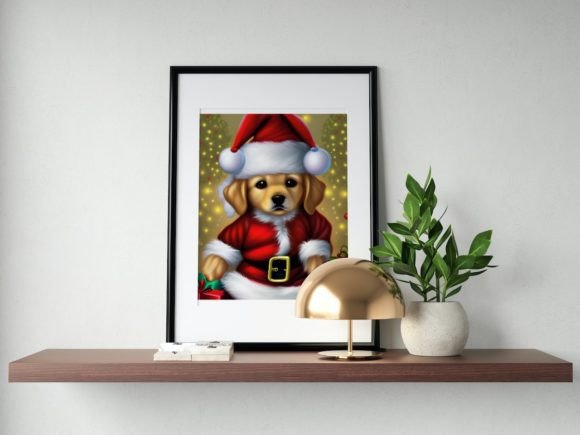
Reviewing the Cute Adorable Baby Golden Retriever Design
As a designer who has spent countless hours digitizing and stitching thousands of patterns, I approach every new machine embroidery design with a mix of curiosity and skepticism. We have all been there: you download a file that looks pristine in the preview image, only to find it turns into a tangled mess of thread on your actual fabric. That is why I took a close look at the Cute Adorable Baby Golden Retriever design before committing it to any client project or personal inventory. This isn’t just about whether it looks cute on a screen; it is about how it performs under the needle.
The first impression of this design is undeniably warm. It captures that specific, soft-hearted nostalgia associated with puppyhood. For those of us in the Crafts industry, mood is half the battle. If a design does not evoke an immediate emotional response, it rarely sells well. This particular motif leans heavily into simplicity and charm, avoiding the overly complex shading that often plagues digital files intended for home machines. The visual personality is friendly and approachable, making it a strong candidate for a wide range of applications beyond just standard hoop art.
Real-World Application and Versatility
To truly test the viability of this design, I imagined it in several real-life production scenarios. My primary test case was a custom embroidered tote bag. Tote bags are a staple for many Etsy sellers and small shop owners because they offer a large, flat canvas. However, the fabric choice matters immensely. When I visualized the Cute Adorable Baby Golden Retriever on a heavy cotton canvas, the contrast between the golden tones of the dog and the natural fabric texture created a rustic, handmade appeal. It felt organic.
I also considered its use in custom apparel, specifically sweatshirts. Sweatshirt embroidery requires careful attention to stitch density. If a design is too dense, it puckers the fleece; if it is too light, it gets lost in the nap of the fabric. This design appears to strike a balance, likely utilizing a mix of fill stitch for the body and satin stitch for defining features like the eyes or collar. This combination ensures the image remains clear without becoming a stiff, cardboard-like patch on a soft garment. For baby items, such as onesies or burp cloths, the "adorable" factor is maximized. Parents love personalized gifts, and a gentle puppy motif is gender-neutral enough to appeal to a broad customer base.
Another strong use case is the embroidered patch. Patches have seen a resurgence in popularity, used to customize denim jackets, backpacks, and hats. Because this design has a clear silhouette, it would translate well to a merrowed edge patch. The distinct outline helps maintain the shape even when the patch is handled frequently. For holiday embroidery, imagine this puppy wearing a small Santa hat or sitting next to a pumpkin. The base design is simple enough to allow for seasonal modifications without losing its core identity.
Technical Considerations for Stitching Success
While the aesthetic is strong, practical execution requires vigilance. One area where I advise caution is with small hoop sizes. If you are working with a 4x4 inch hoop, you must ensure that the details of the puppy’s face do not become so compressed that the stitches merge. Tiny details, such as the reflection in the eyes or the texture of the fur, need breathing room. I always recommend checking the stitch density in your embroidery software before loading the file onto your machine. If the density is too high for the scale, you may need to resize the design slightly larger or simplify the stitch types.
Fabric texture plays a crucial role here. On smooth fabrics like broadcloth or high-quality polyester, the Cute Adorable Baby Golden Retriever will look crisp and professional. However, on textured fabrics like linen or terry cloth, some of the finer running stitch details might get lost. In those cases, I suggest using a cut-away stabilizer to provide a firm foundation, ensuring the stitches sit on top of the fabric texture rather than sinking into it. For stretchy fabrics, such as jersey knits used in t-shirts, a tear-away stabilizer might not be sufficient. You need stability to prevent distortion, especially if the design covers a significant area of the chest or back.
Dark fabrics present another challenge. If you plan to stitch this on a navy or black hoodie, you cannot rely on the natural golden thread colors alone. You will need to adjust your thread colors to ensure contrast. Sometimes, adding a light-colored underlay or even considering an applique design variation can save the look. Applique allows you to use actual fabric for the puppy’s body, which can reduce stitch count and prevent the "heavy" feel on delicate garments.
Enhancing Product Value and Brand Consistency
From a business perspective, the quality of your digital embroidery file directly impacts your brand reputation. A clean, well-digitized design like this one contributes to a professional finished product. Customers may not know the technical terms, but they recognize quality. They notice when stitches are even, when there are no loose threads, and when the design aligns perfectly with the garment. Using a reliable design builds trust. It shows that you care about the longevity and appearance of the handmade product you are selling.
For commercial embroidery projects, consistency is key. If you are producing fifty tote bags for a local boutique, you need a design that stitches out identically every time. Variability in stitch formation can lead to wasted materials and unhappy clients. Before launching this as a small shop product, I strongly advise running a test on scrap fabric. Check how the thread tension interacts with the specific material you plan to use. Look for any pulling or gaping in the fill areas. These small adjustments before full production can save hours of troubleshooting later.
Practical Designer Notes for Best Results
- Test on Scrap First: Never stitch a new design directly on your final garment. Use a similar fabric scrap to check tension and density.
- Check Thread Contrast: Ensure your chosen thread colors stand out against the fabric background. Test in both light and dark settings.
- Verify Hoop Size: Confirm that the design fits comfortably within your hoop, leaving enough margin for stabilization.
- Inspect Small Details: Zoom in on the digital file to ensure tiny elements like eyes or noses are not too fine for your machine’s needle size.
- Use Proper Stabilizer: Match your stabilizer to the fabric weight. Heavier fabrics may need less support, while knits require robust stabilization.
- Review Licensing: Always confirm the license terms of the embroidery file. Ensure you have the right to use it for commercial sales if you are an Etsy seller or craft business owner.
- Mockup Testing: Create printable mockups to see how the design looks in different contexts before committing to physical production.
In conclusion, the Cute Adorable Baby Golden Retriever is a versatile and emotionally engaging addition to any designer’s library. It fits naturally into the world of Crafts, offering flexibility for everything from baby embroidery to tote bag design. By paying attention to technical details like stabilizer choice, thread contrast, and fabric compatibility, you can ensure that this design enhances your finished product rather than complicating it. Whether you are creating a personalized gift for a friend or stocking your online store with unique design assets, this pattern holds up well under scrutiny. Just remember that the magic lies not just in the image itself, but in the care and precision you apply during the stitching process.