Review: Stitching the Spooky Christmas Ball Design
As a designer who has spent years digitizing patterns and testing thousands of machine embroidery design files, I have developed a keen eye for what works on fabric versus what only looks good on a screen. When I first loaded the Spooky Christmas Ball into my software, I was immediately struck by its unique thematic blend. It is not your traditional holly-and-ivy holiday motif. Instead, it offers a playful, slightly eerie twist that fits perfectly into the growing trend of "creepy cute" holiday decor. For embroidery designers, small business owners, and Etsy sellers looking to differentiate their seasonal offerings, this design presents an intriguing opportunity. However, like any specialized asset, it requires careful handling to ensure the finished product meets professional standards.
First Impressions and Visual Personality
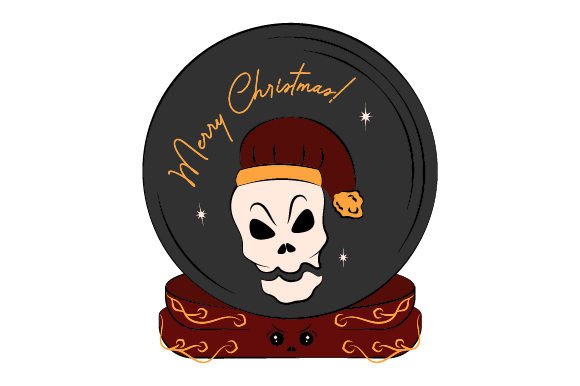
The immediate mood created by the Spooky Christmas Ball is whimsical yet bold. The layout typically features a classic spherical ornament shape, but with altered facial features or thematic elements that suggest a Halloween-meets-Christmas crossover. This visual personality is crucial because it dictates where the design belongs. It is not subtle. It demands attention. For a craft business owner, this means the design is best suited for customers who want to make a statement rather than those seeking understated elegance.
The detail level appears moderate, which is generally a positive sign for home embroiderers using single-needle machines. Complex, ultra-fine details often get lost in translation when stitched out, especially on textured fabrics. From a reviewer’s perspective, the balance between open space and stitched areas seems well-considered. This balance is vital for maintaining the structural integrity of the fabric, particularly if you are working with stretchy materials like jersey knits for custom apparel.
Real-World Application: The Custom Sweatshirt Test
To truly evaluate an embroidery file, you must imagine it in a real-life scenario. I recently considered this design for a custom order involving a heavy-weight cotton sweatshirt. The client wanted a unique holiday gift that stood out from the typical red and green sweaters found in big-box stores. The Spooky Christmas Ball was a perfect fit for this brief.
When planning the placement on a sweatshirt, the center chest or the left breast pocket area are the standard choices. Given the likely round shape of the design, it scales well for both locations. However, I noticed that the contrast in thread colors would be the deciding factor for visual appeal. On a dark charcoal or black sweatshirt, using bright, contrasting threads for the "spooky" elements—such as whites, neon greens, or vibrant purples—would make the design pop. Conversely, stitching it on a light heather gray might require darker, richer tones to ensure the details remain visible. This is a critical consideration for any Etsy seller creating product mockups; always test your digital previews in both high-contrast and low-contrast scenarios.
Versatility Across Product Lines
Beyond apparel, this design shows promise for various handmade product categories. Consider its application on a canvas tote bag. Tote bags are sturdy, providing a stable surface for embroidery, and they are popular items for holiday markets. The Spooky Christmas Ball could serve as a central focal point on a plain canvas bag, turning a generic item into a trendy accessory. Similarly, for kitchen textiles, a tea towel or apron featuring this motif could appeal to hosts who enjoy themed dinner parties.
For those interested in smaller goods, an embroidered patch is another viable option. Patches allow customers to add personality to existing jackets or backpacks. If the design includes clean edges and manageable stitch density, it can be digitized specifically for patch creation, using a satin stitch border to prevent fraying. This expands the utility of the design beyond direct-to-garment embroidery, offering additional revenue streams for creative entrepreneurs.
Technical Considerations and Fabric Constraints
While the aesthetic appeal is strong, practical execution requires attention to technical details. One area where caution is needed is fabric texture. Highly textured fabrics, such as thick terry cloth towels or fluffy fleece, can swallow fine details. If the Spooky Christmas Ball relies on small running stitches or intricate fill stitches to define facial features or patterns within the ball, these may become obscured on plush surfaces. In such cases, I recommend using a cutaway stabilizer to provide firm support and potentially simplifying the design if you have the rights to edit the file.
Another constraint is hoop size. Always confirm the maximum dimensions of the design before purchasing. If you are working with a 4x4 inch hoop, ensure the design fits comfortably within that boundary without requiring excessive re-hooping, which can lead to misalignment. For curved surfaces like caps or hats, the design’s curvature must match the cap’s contour. A flat, circular design may distort when stitched onto a structured cap unless properly digitized for three-dimensional application.
Stitch density is another factor that affects the drape and feel of the final product. High-density fill stitches can make fabric stiff and heavy. For baby clothes or lightweight garments, this is undesirable. If you plan to use this design on delicate items, check the stitch count and density settings. You may need to adjust the underlay or reduce the density of fill areas to keep the fabric soft and comfortable. This is especially important for baby embroidery, where comfort is paramount.
Enhancing Brand Value and Customer Trust
From a business perspective, the quality of your embroidery directly impacts customer trust and brand consistency. A poorly stitched design with thread breaks, puckering, or misaligned colors can damage your reputation as a professional maker. The Spooky Christmas Ball, with its distinct theme, offers a chance to showcase technical proficiency. Clean satin stitches, consistent tension, and accurate color registration demonstrate attention to detail.
Using this design in your portfolio can help attract a specific niche of buyers who appreciate alternative holiday aesthetics. It signals that your shop is current, creative, and willing to step outside traditional norms. This differentiation is key in saturated markets like Etsy. When customers see a well-executed, unique design, they are more likely to perceive higher value in your custom apparel and handmade gifts.
Practical Designer Notes for Best Results
Before committing to a large production run or fulfilling a client order, always follow these practical steps:
- Test on Scrap Fabric: Never stitch a new design directly on your final product. Use a scrap piece of the same fabric and stabilizer combination to check for puckering or thread breaks.
- Check Thread Contrast: View your design in black and white mode on your computer. If the details disappear, you need to adjust your thread color choices for better visibility.
- Verify Licensing: Ensure you understand the license terms associated with the digital embroidery file. Some creators allow personal use only, while others permit commercial sales of finished physical items. Clarify this before listing products for sale.
- Inspect Small Details: Zoom in on the design preview. Look for tiny jumps or overly dense areas that might cause issues during stitching.
- Use Proper Stabilizer: Match your stabilizer to your fabric. Cutaway for knits, tear-away for wovens, and wash-away for delicate or sheer fabrics.
Final Verdict
The Spooky Christmas Ball is a compelling addition to any holiday design library, particularly for makers targeting a younger, trend-conscious demographic. Its strength lies in its thematic uniqueness and versatility across various product types, from sweatshirts to tote bags. However, success depends on thoughtful execution. By paying attention to fabric choice, stabilizer selection, and thread contrast, you can transform this digital asset into a high-quality finished product that delights customers and enhances your brand’s creative identity. As with any design, preparation and testing are the keys to professional results.